
Singapore
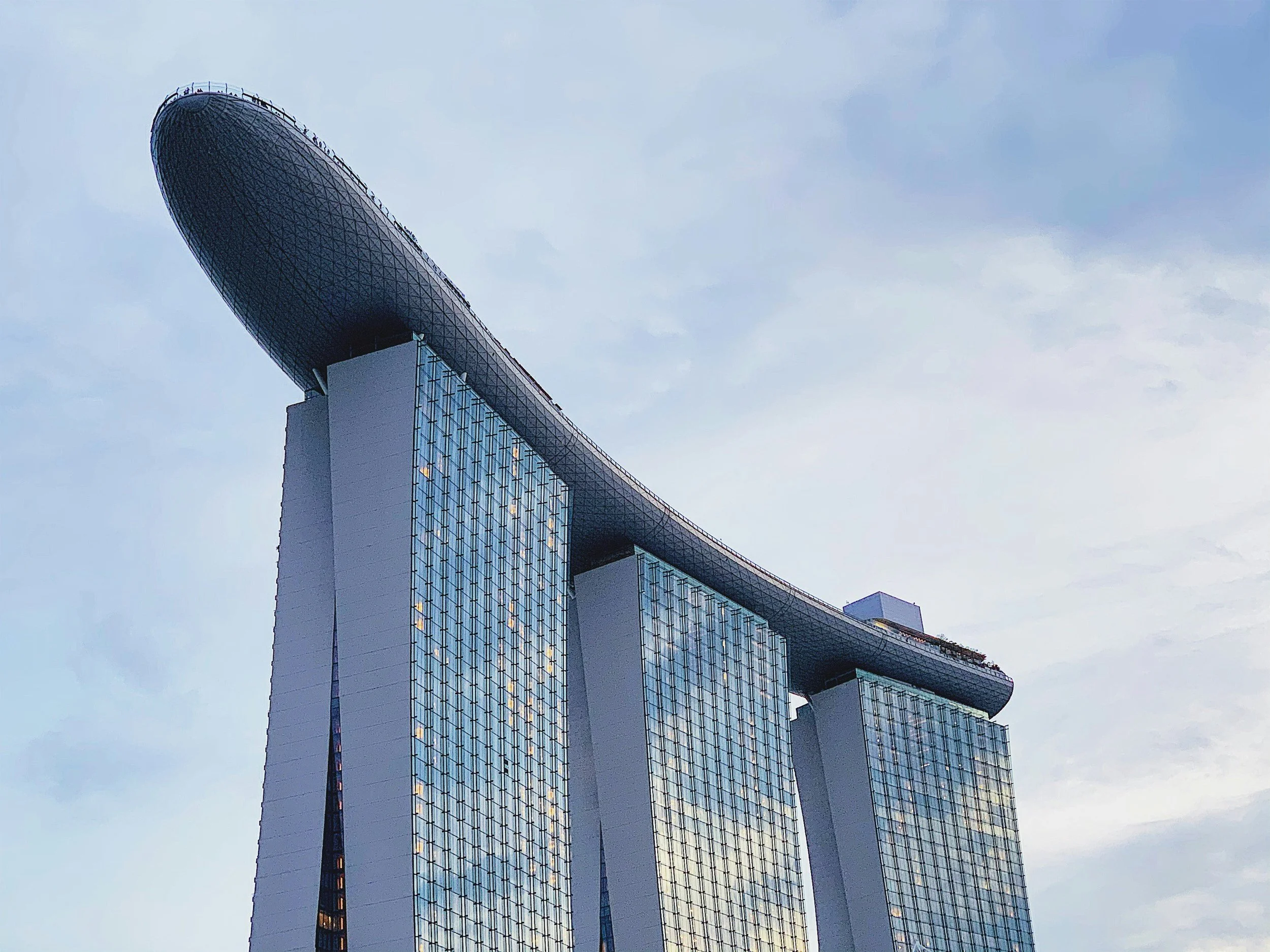
Marina Bay Sands, Singapore
Singapore Beyond the Layover: Exploring a City of Cultures, Cuisine, and Curiosity
I finally had a chance to visit Singapore properly, not just rush through Changi Airport on a short layover — and here’s what I saw, tried, and experienced. At first, Singapore felt a bit unwelcoming with the high prices and the never-ending construction for new hotels and resorts. It felt like the city was made more for tourists than for locals, almost a bit artificial. But once I slowed down and explored it at my own pace, I found places I really loved — and honestly, by the end, I didn’t even want to come back to Australia.
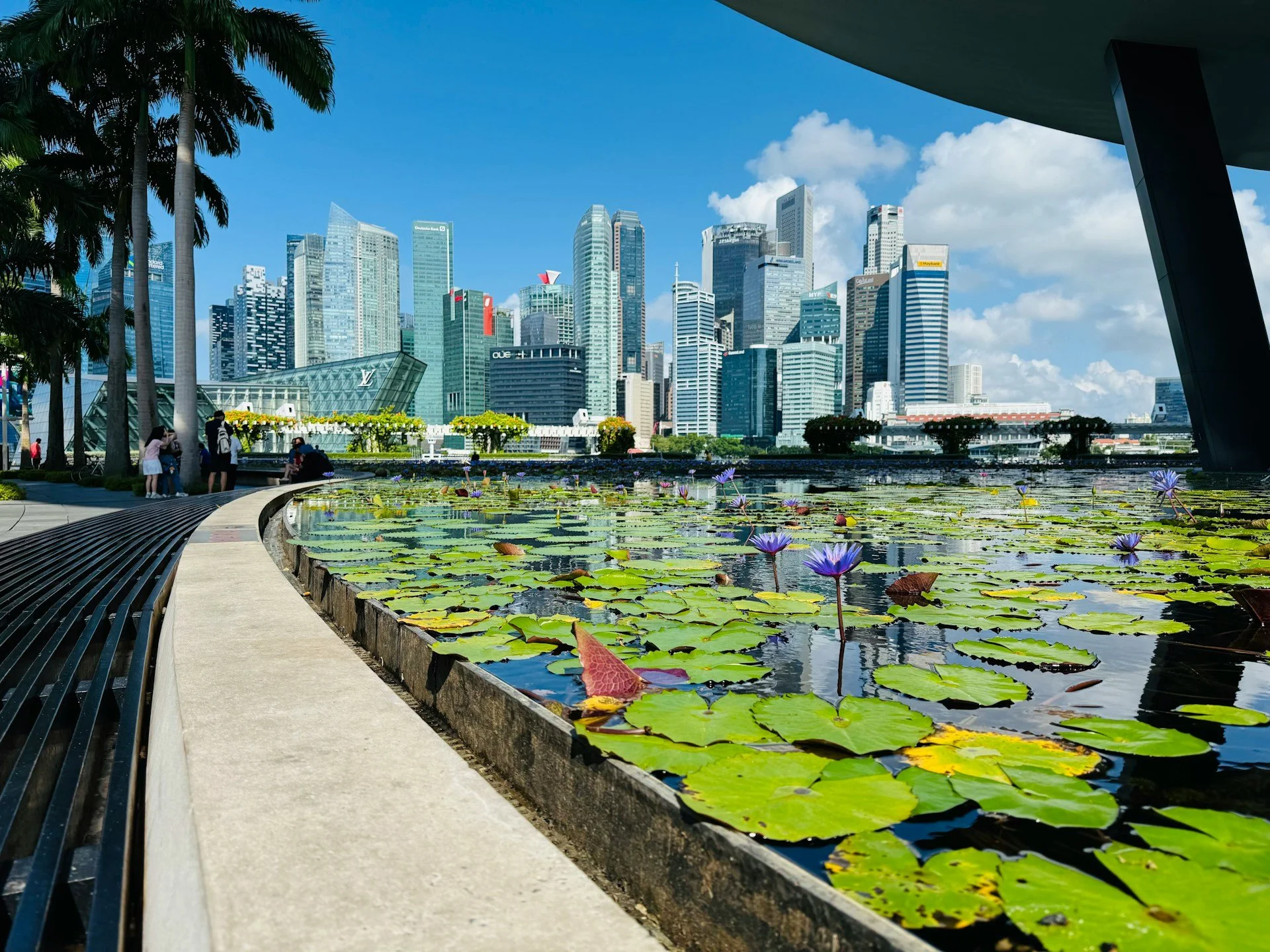
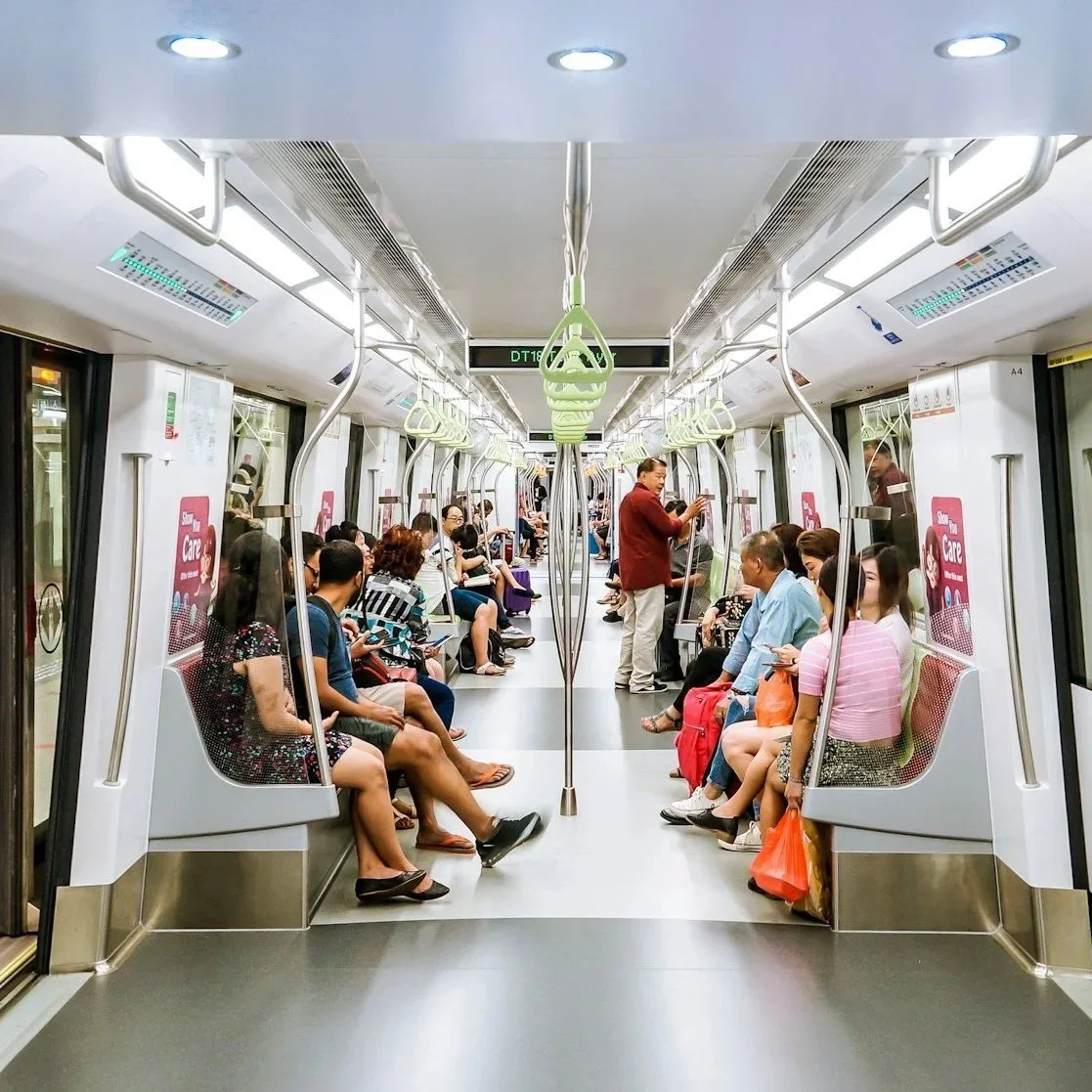
What I absolutely loved about Singapore is how easy it is to get around. You pay just a couple of dollars for a clean, comfortable train that takes you anywhere. There are heaps of buses, super cheap bike rentals (around SGD $1 per 30 minutes), and everything is extremely walkable. There are so many footpaths, and it feels safe and comfortable to explore on foot. You can get anywhere in the city easily and without spending much.
What’s also super cool about Singapore (and even when you think about nearby Malaysia) is how many different cultures blend together seamlessly. In Singapore, about
74 % of the population is ethnically Chinese, 13–15 % Malay, and around 8–9 % Indian.
Because these communities all live side by side, people from very different backgrounds interact all the time. I remember talking to a coffee shop owner who said that, since everyone speaks different mother tongues, locals have ended up using a kind of “hybrid” language just to communicate: it’s a mix of English, Chinese, Malay, and Tamil (the most common Indian language there). She joked that if someone new moves to Singapore or Malaysia, they can’t really understand how people talk at first — they need a bit of time to pick up that blended local slang.
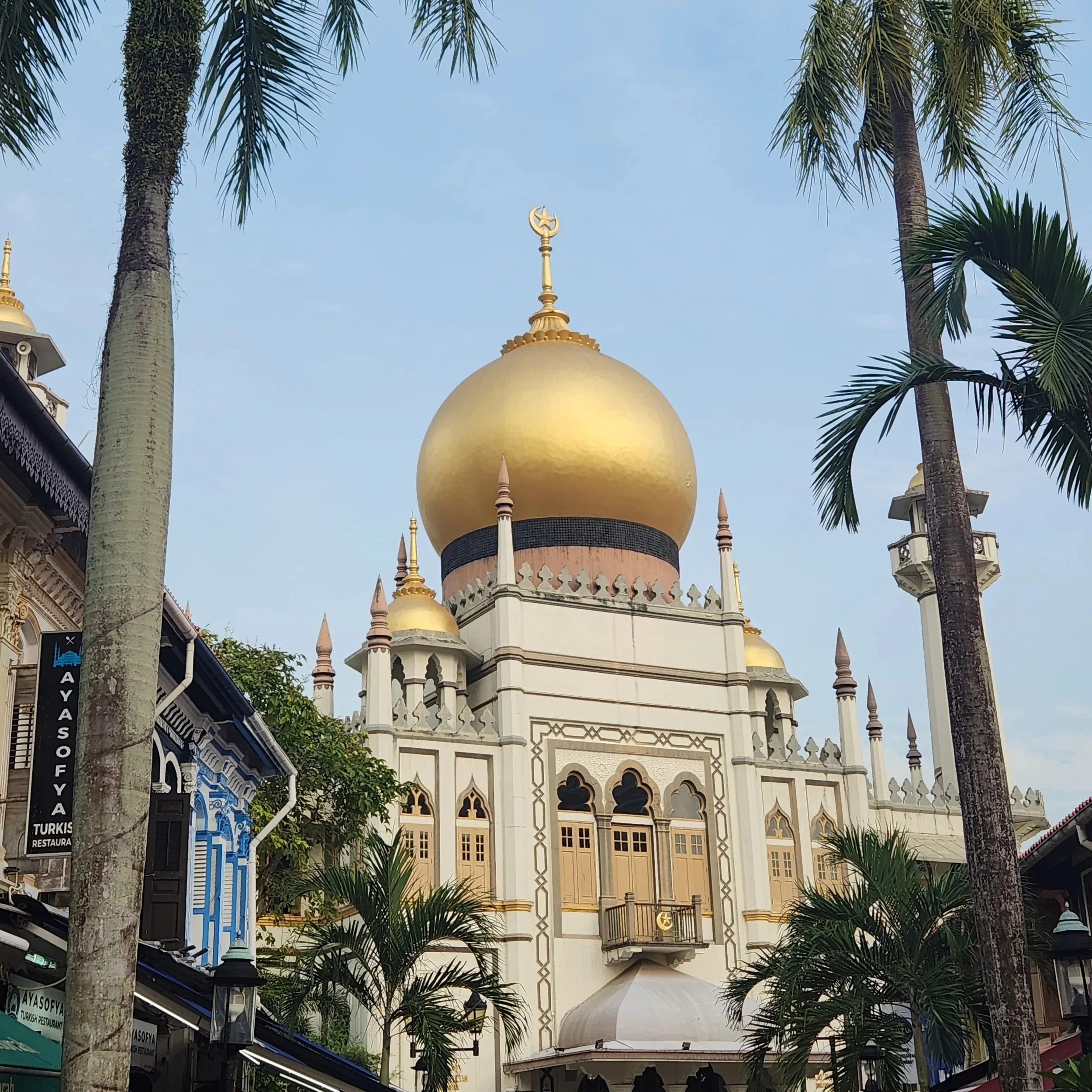
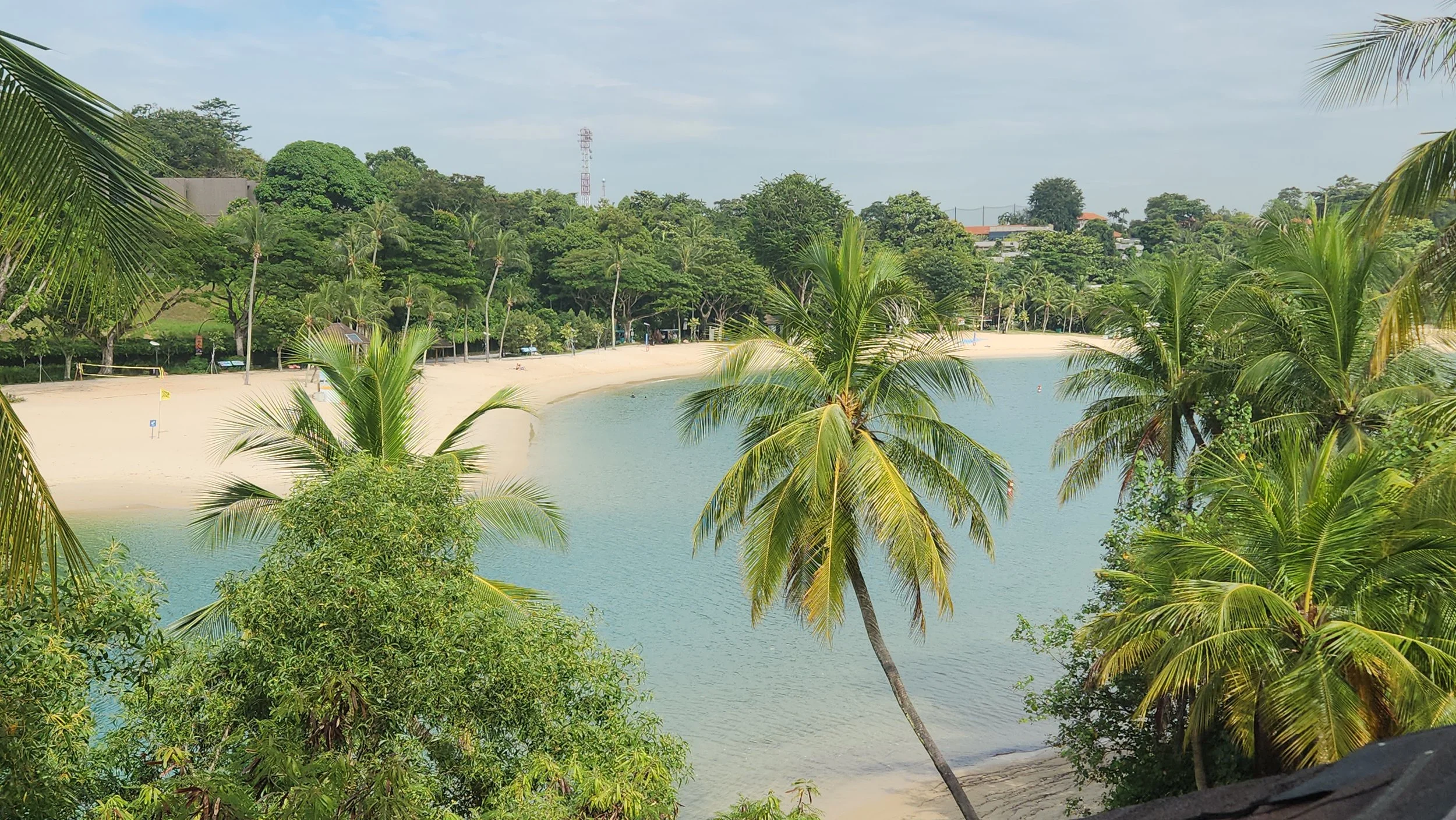
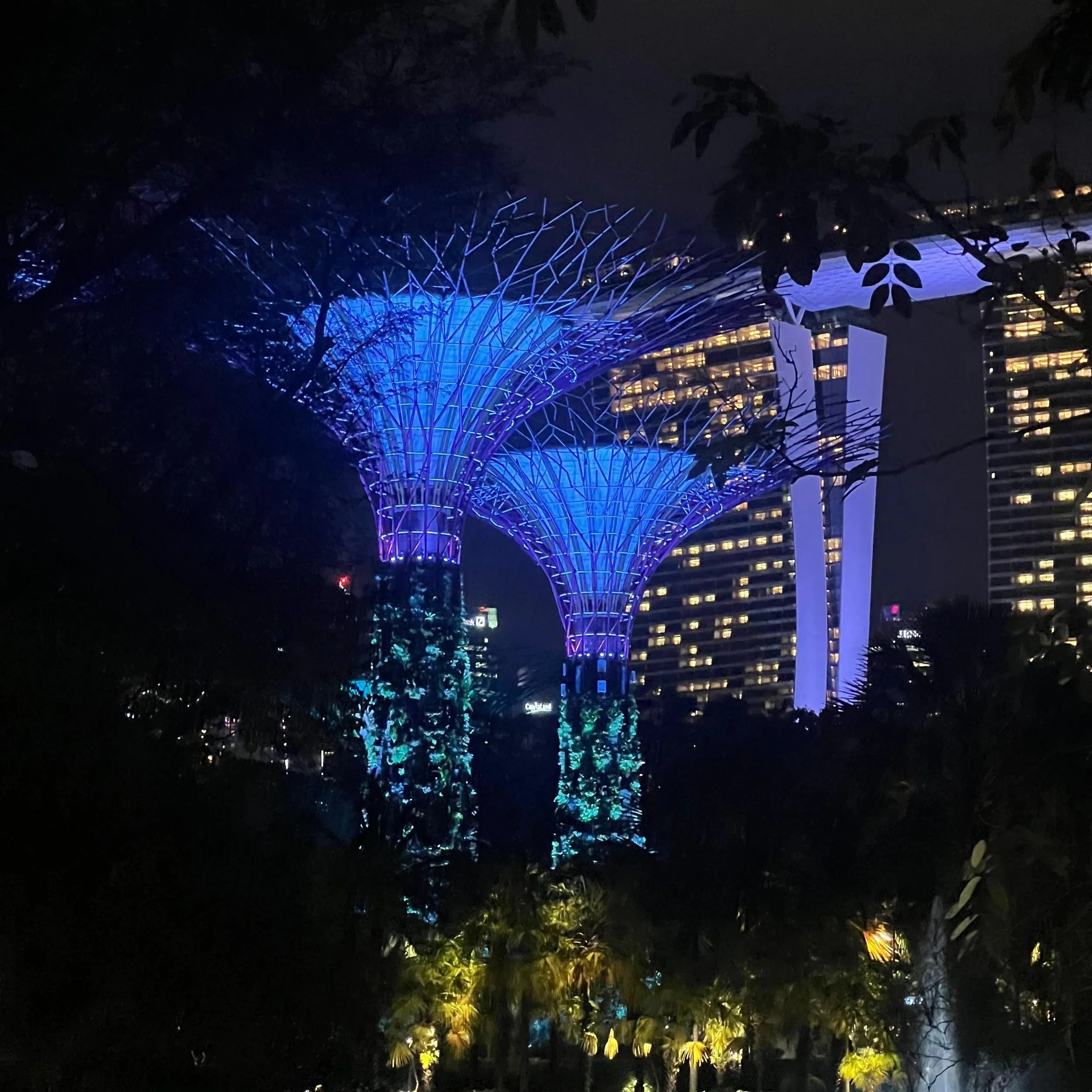
The architecture blew me away. There are so many unique and extraordinary buildings, but at the same time, Singapore has so much greenery that it never feels like a concrete jungle. It’s the opposite — a futuristic, high-tech world that still feels balanced with nature. I also loved that you can enjoy all the city life — sightseeing, restaurants, galleries — and then just hop on a train and be relaxing on a beach within 30 minutes. Gardens by the Bay surprised me the most. I enjoyed it way more than I expected. The Supertrees look completely different in the daytime compared to nighttime, so I definitely recommend visiting twice. And I didn’t realise they’re just part of a huge, beautiful park. They fit right in and somehow look like they belong there, even though they’re totally man-made. I also tried a few street food markets, and my favourite was People’s Park in Chinatown. There are so many delicious and reasonably priced options, and I noticed lots of locals eating there too.
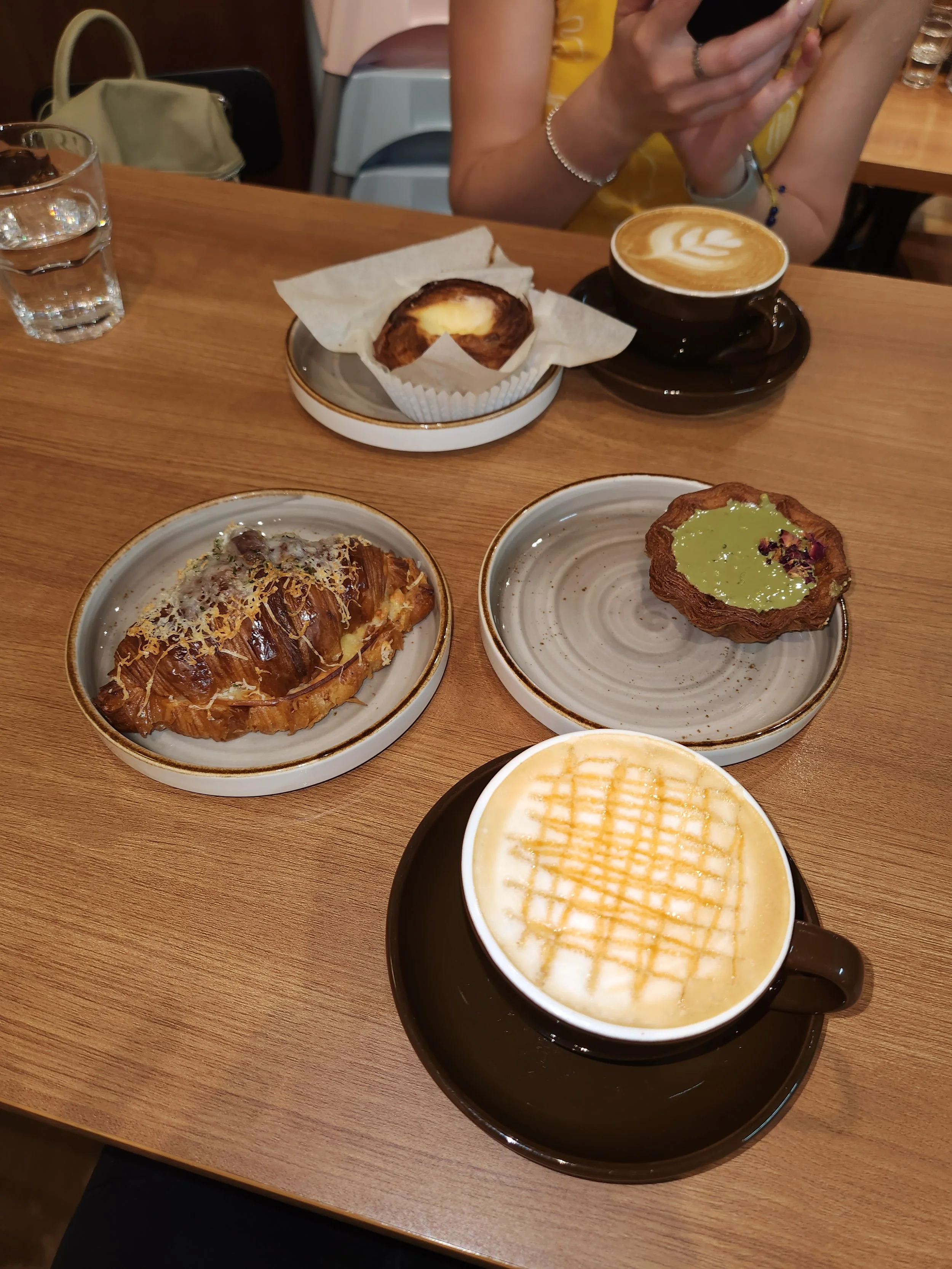
My friend and I also tried a few bakeries and fell in love with La Levain on Hamilton Rd. Amazing pastries and coffee, with lots of unusual, creative flavours. Everything we tried was incredible.
I really wanted to visit the Museum of Ice Cream in Singapore, but I didn’t realise they’re closed on some weekdays, so I missed out this time — but I’ll definitely try again next time.
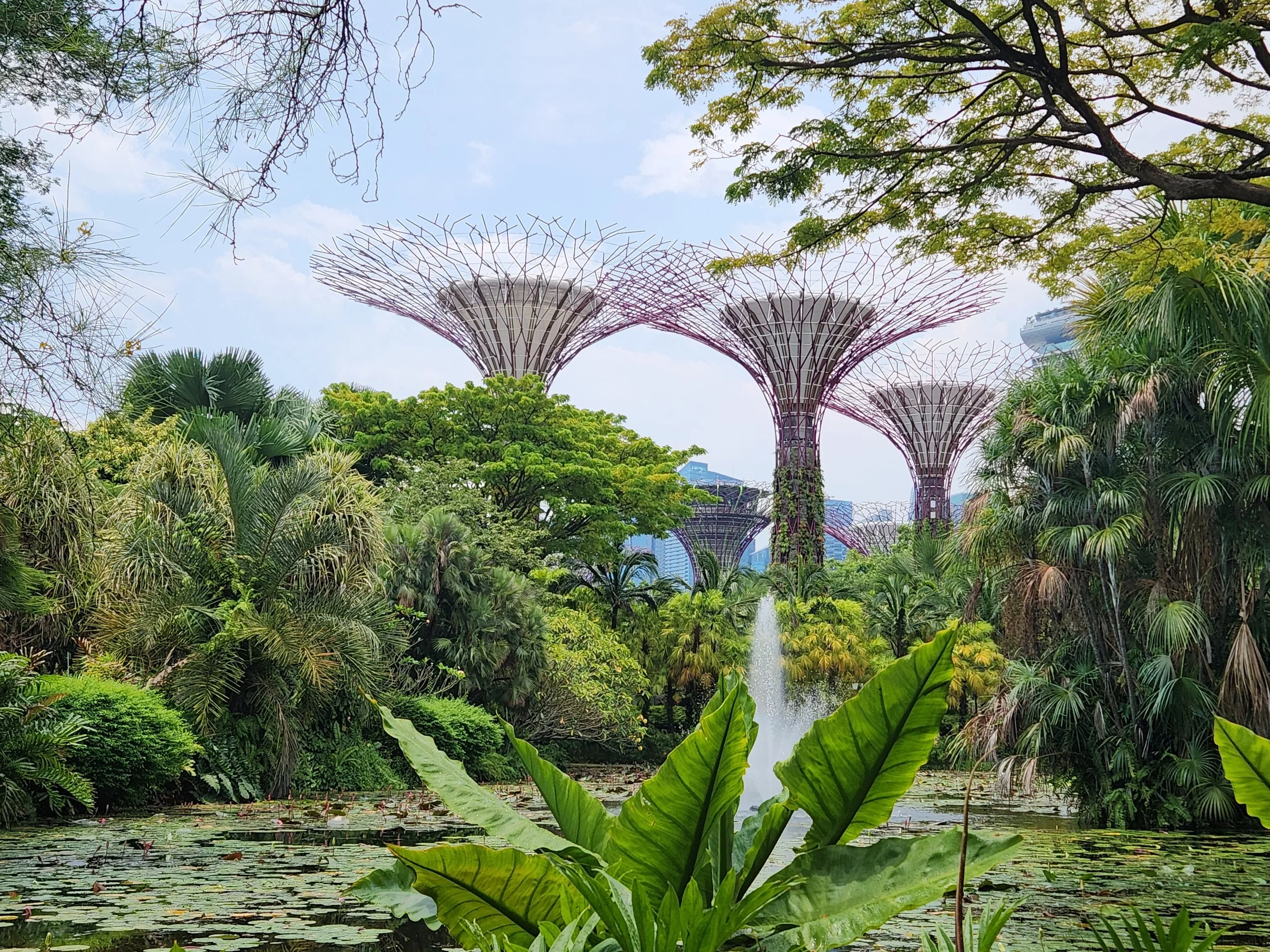
Gardens By The Bay, Singapore
Overall, I highly recommend spending at least three days in Singapore if you get the chance. Try to immerse yourself in the buzzing life of this busy port city that so many people only see during a stopover — it’s absolutely worth a proper visit.
A Few Facts About Singapore:
A city in a garden – Over 50% of Singapore is covered in greenery, including parks, gardens, and rooftop greenery.
Multicultural melting pot – Singapore has four official languages: English, Mandarin, Malay, and Tamil, reflecting its diverse population.
Hawker culture – Street food is a national treasure; Singaporean hawker centers were inscribed on UNESCO’s Intangible Cultural Heritage list in 2020.
No natural rivers – Most of Singapore’s waterways are man-made or modified, yet they’ve integrated beautifully into the urban landscape.
Strict but clean – Chewing gum is banned (except for therapeutic use), contributing to Singapore’s famously clean streets.