
Japan Series: Art Islands
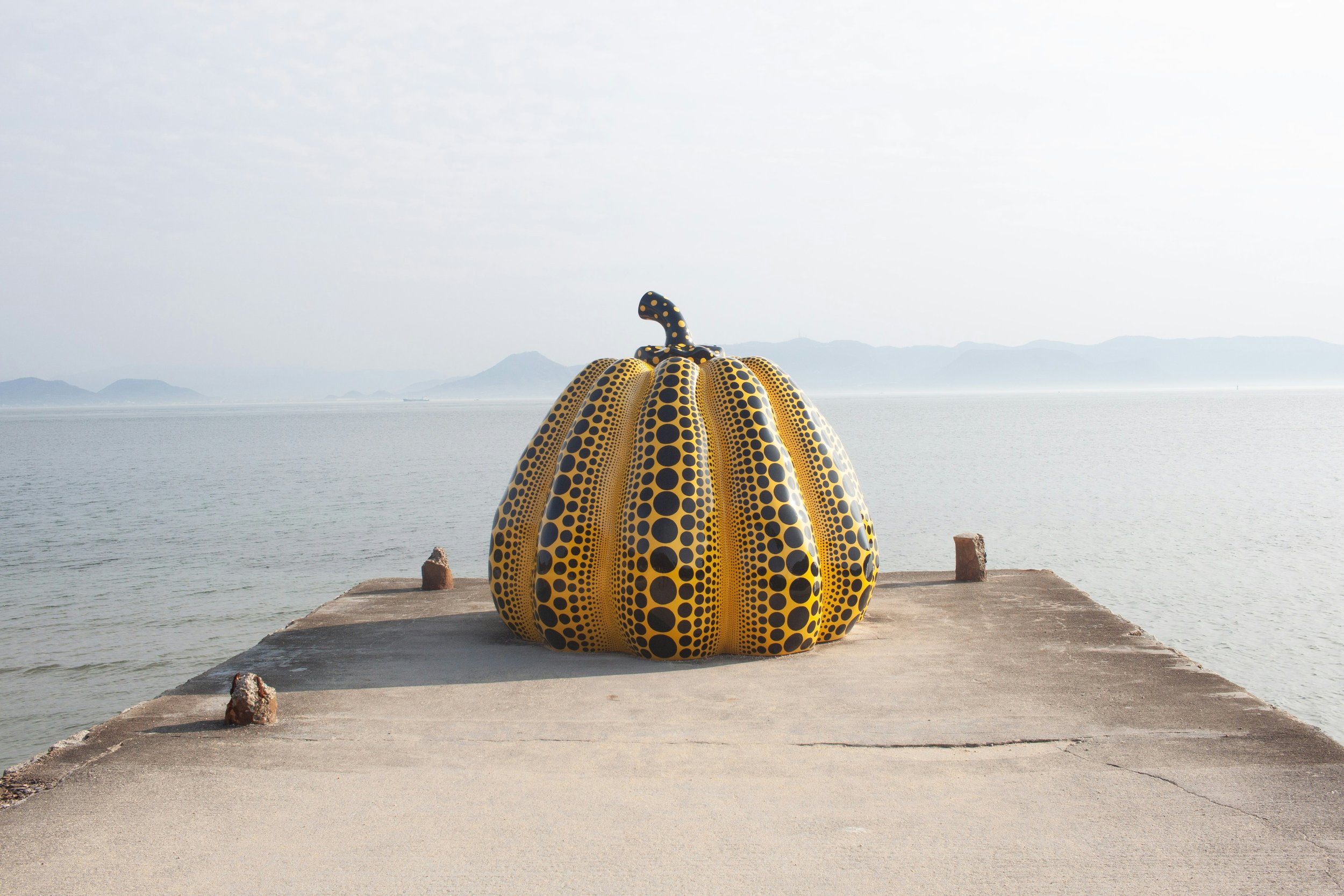
Yellow Pumpkin by Yayoi Kusama, Noashima, Art Islands
Naoshima and Beyond: Discovering Japan’s Creative Islands
Have you ever seen that yellow pumpkin with polka dots and wondered where it is? It’s actually one of Yayoi Kusama’s installations on Naoshima, one of Japan’s so-called “Art Islands.”
They’re called Art Islands because they have been transformed into a major art hub since the 1980s, featuring museums and installations designed by famous architects like Tadao Ando. Originally, the Japanese government wanted to revive a few small islands in the Seto Inland Sea. These islands had tiny populations, mostly factory towns, and were hard to live on—isolated, with ferries as the only way to get there. But artists and architects collaborated to create galleries, museums, and installations all over the islands. Now, tourists support local cafes and shops, helping the islands thrive.
I visited the Art Islands in 2024 with my husband. Getting there from Osaka or Kyoto is easy: we took a train to the beautiful city of Okayama, where we visited one of Japan’s top three gardens, Korakuen. Then we caught a local train to Uno Port, spent the night there, and took a ferry to the Art Islands the next morning. That evening, we soaked in an open-air onsen (hot spring) and had a traditional Japanese dinner with freshly caught local fish. (Fun fact: that onsen is one of the few in Japan that welcomes visitors with tattoos!)
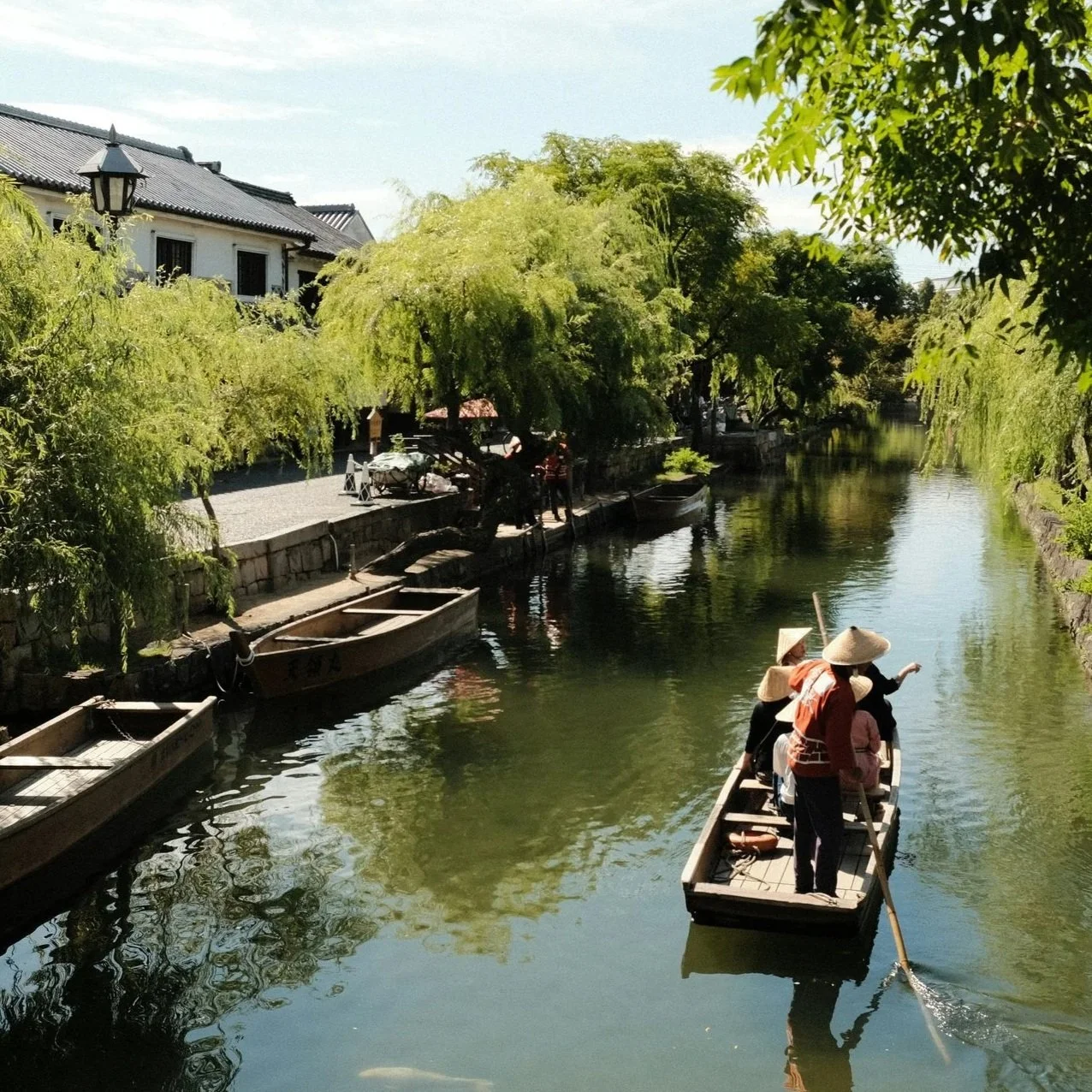
We had planned to visit Kurashiki too—a charming city with historical Edo-period canals—but heavy rain shut down the trains. Luckily, we had rail passes, so we didn’t lose any money. Kurashiki is famous for denim—you can even customize your own pair of jeans there—and also for washi tape, the decorative Japanese paper tape.
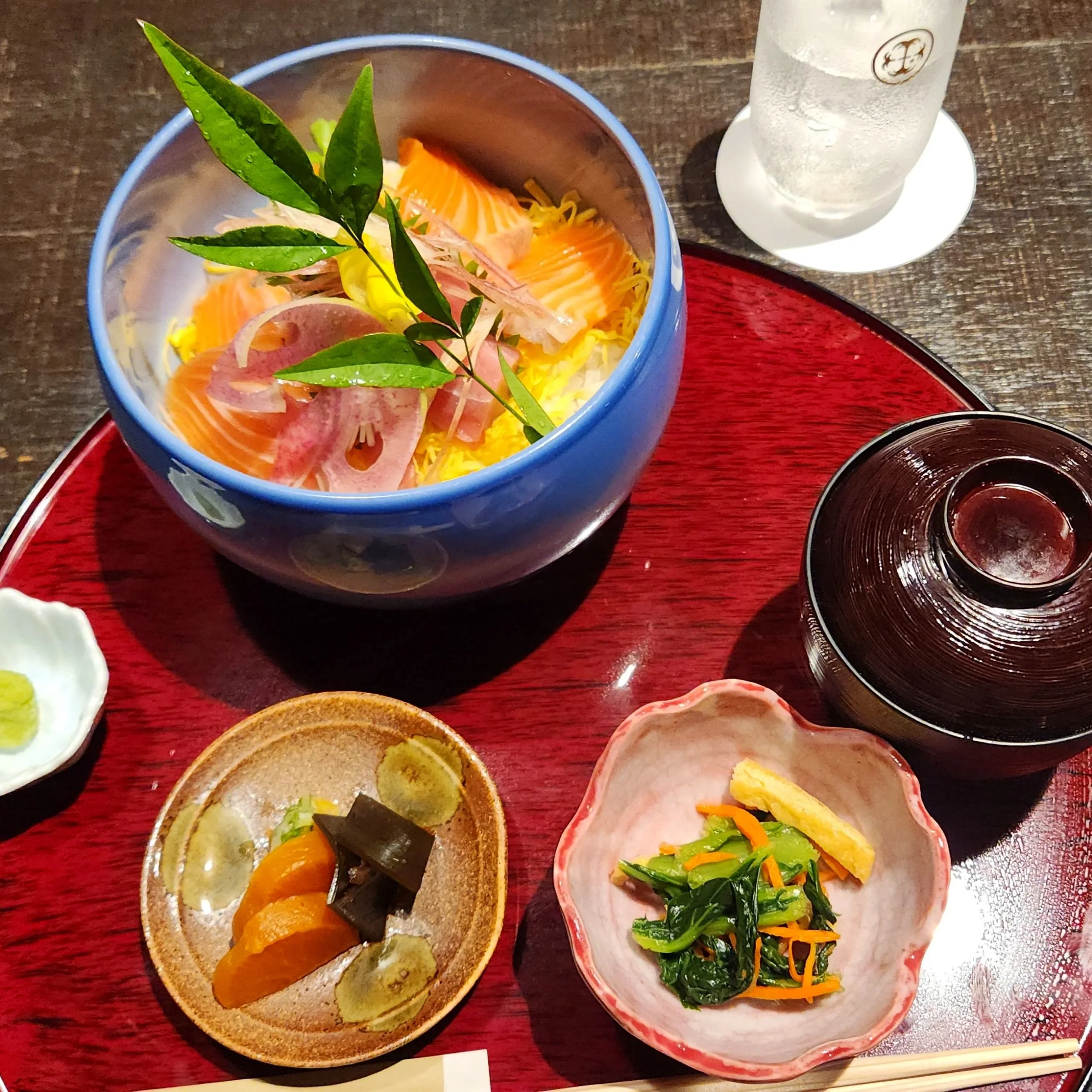

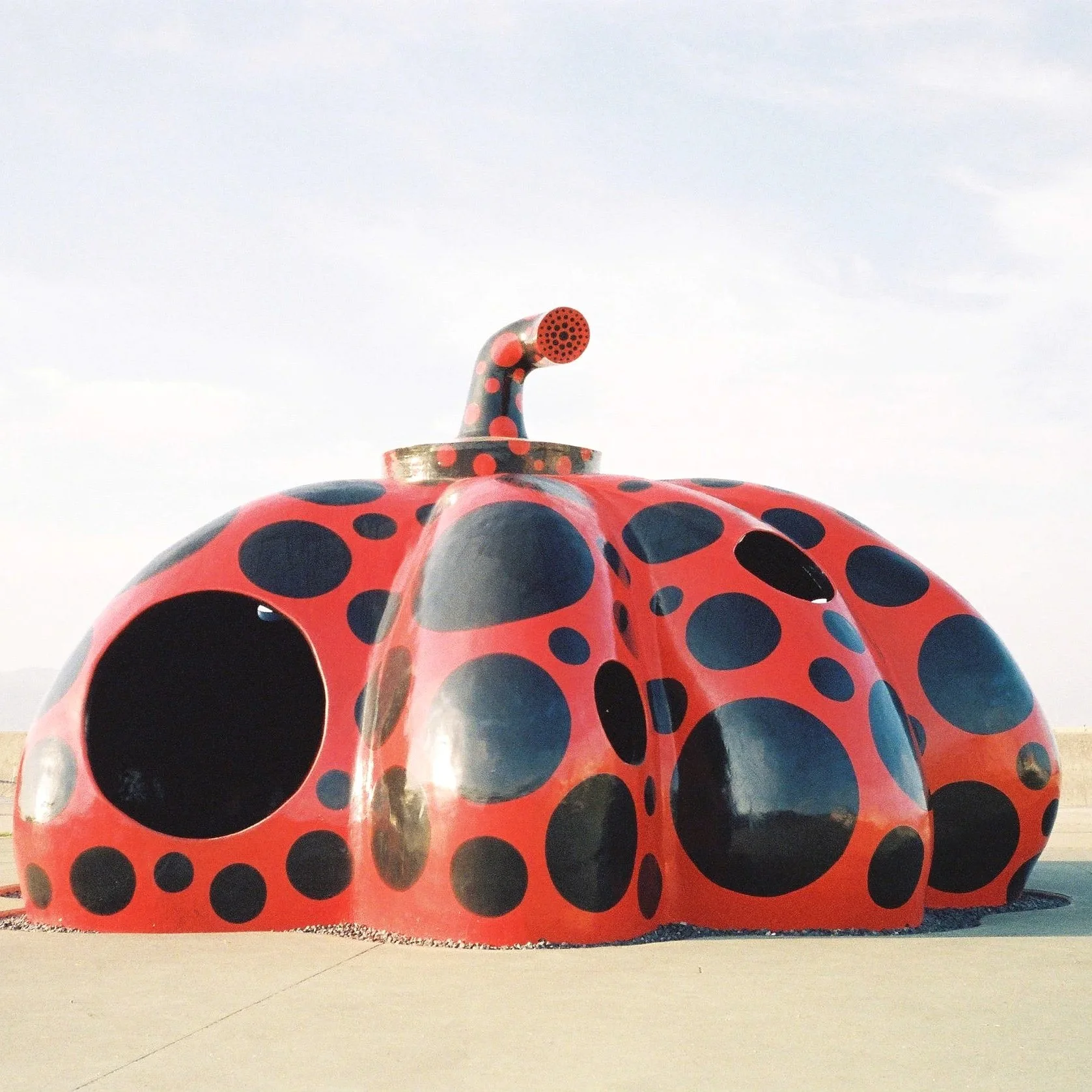
The main island is Naoshima, which is a must-visit. Even though it’s small, Naoshima is packed with a variety of cafes and restaurants—from fresh local fish burgers to artisan pizza, gelato, sushi, and okonomiyaki. There are two Kusama pumpkins on the island: the bright red one greets you as you get off the ferry, while the yellow one is tucked deeper inside, so you have to explore museums and installations to find it.
My favorite museum was the Chichu Museum, which literally means “in the earth.”The museum is mostly underground to keep the landscape untouched, and it relies solely on natural light to showcase works by Monet, James Turrell, and Walter De Maria. One room creates a light illusion, making it feel like you’re stepping into a room inside a room. There’s also a small souvenir shop where we bought pastels for our niece.
Another highlight is Benesse House Museum, which doubles as a hotel. You can stay there and wake up just steps away from the galleries.
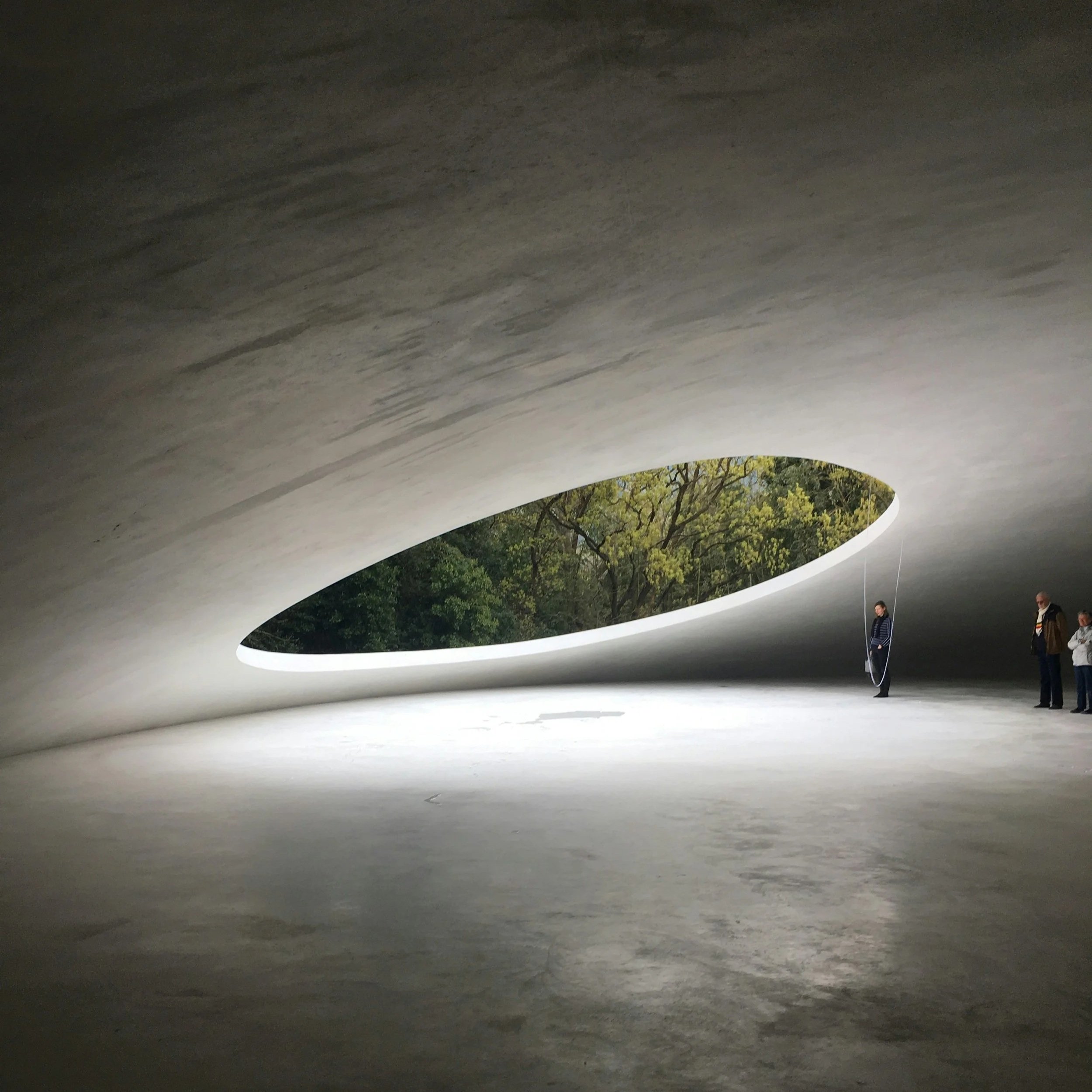
The next island, Teshima, is quiet and peaceful—no shops or supermarkets, just rural Japanese charm. Its main attraction is Teshima Museum, a white building with a round hole in the roof letting in wind and light. It felt almost like a temple: people sit or lie on the cool floor, absorbing the sounds, sunlight, and gentle breeze.
Teshima even has a cozy strawberry-themed cafe where everything features strawberries. Kids do homework there, locals love it, and the vibe is just so warm.
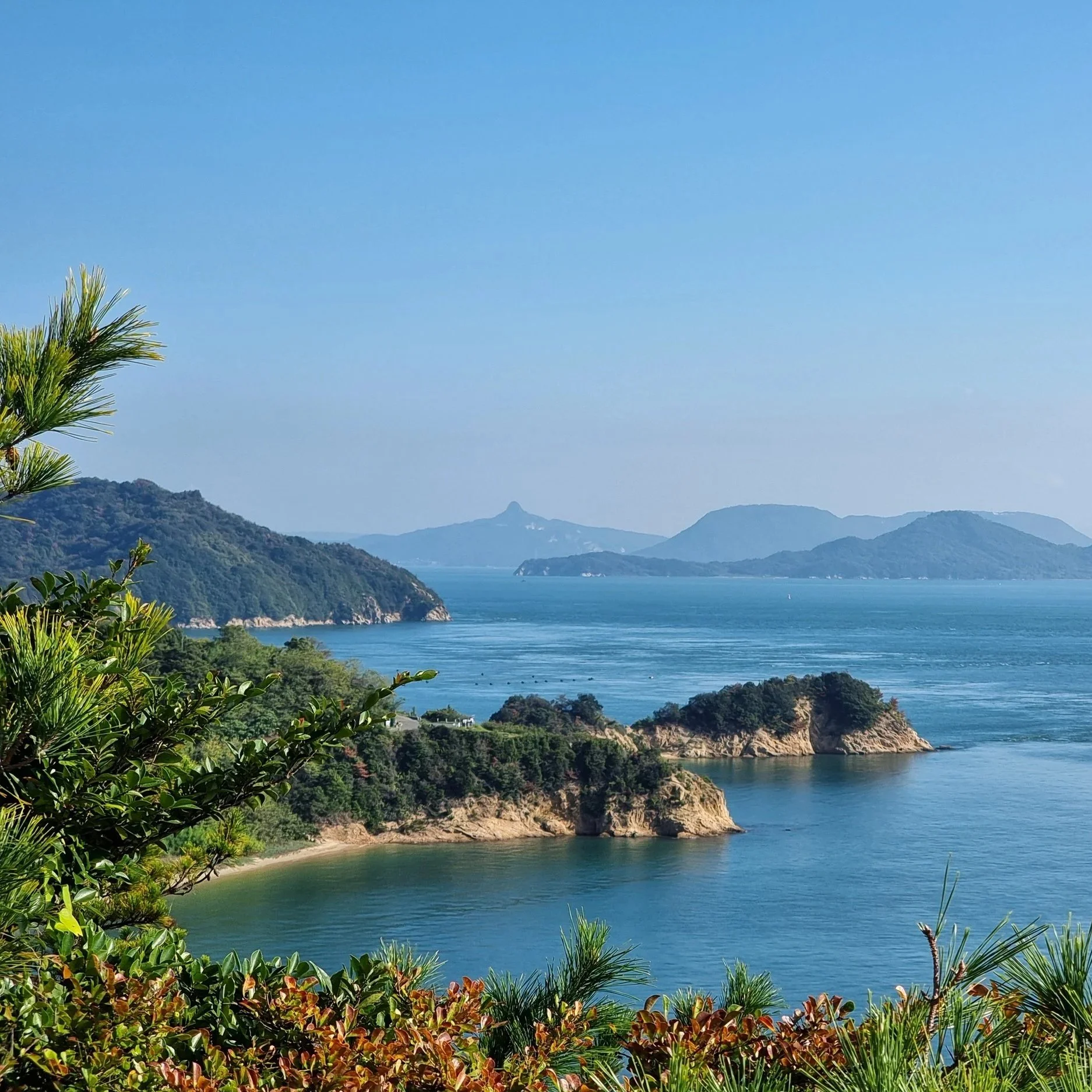
Other islands like Inujima, Megijima, and Ogijima exist but have fewer art installations, so they’re less popular. All islands are small, so most people explore by walking, buses, or motorized bicycles. You can also rent a car if you want scenic drives along the coast. And for swimmers, all islands have beaches with calm, warm waters in the summer.
A note on Japanese “museums”: modern art spaces are often more like galleries or installations. Don’t expect historical posters, archives, or relics.
Visiting the Art Islands is incredibly refreshing. It’s just you, the art, and the sea—no noisy streets, neon lights, highways, metro stations, or malls. We believe trips like this are important because you get to see how locals live and experience the country authentically. We’re actually launching “Japan By Design” trips this year, and one of them takes you to the Art Islands, Okayama, and Kurashiki to experience real Japan—its culture, crafts, and nature. More updates coming soon!
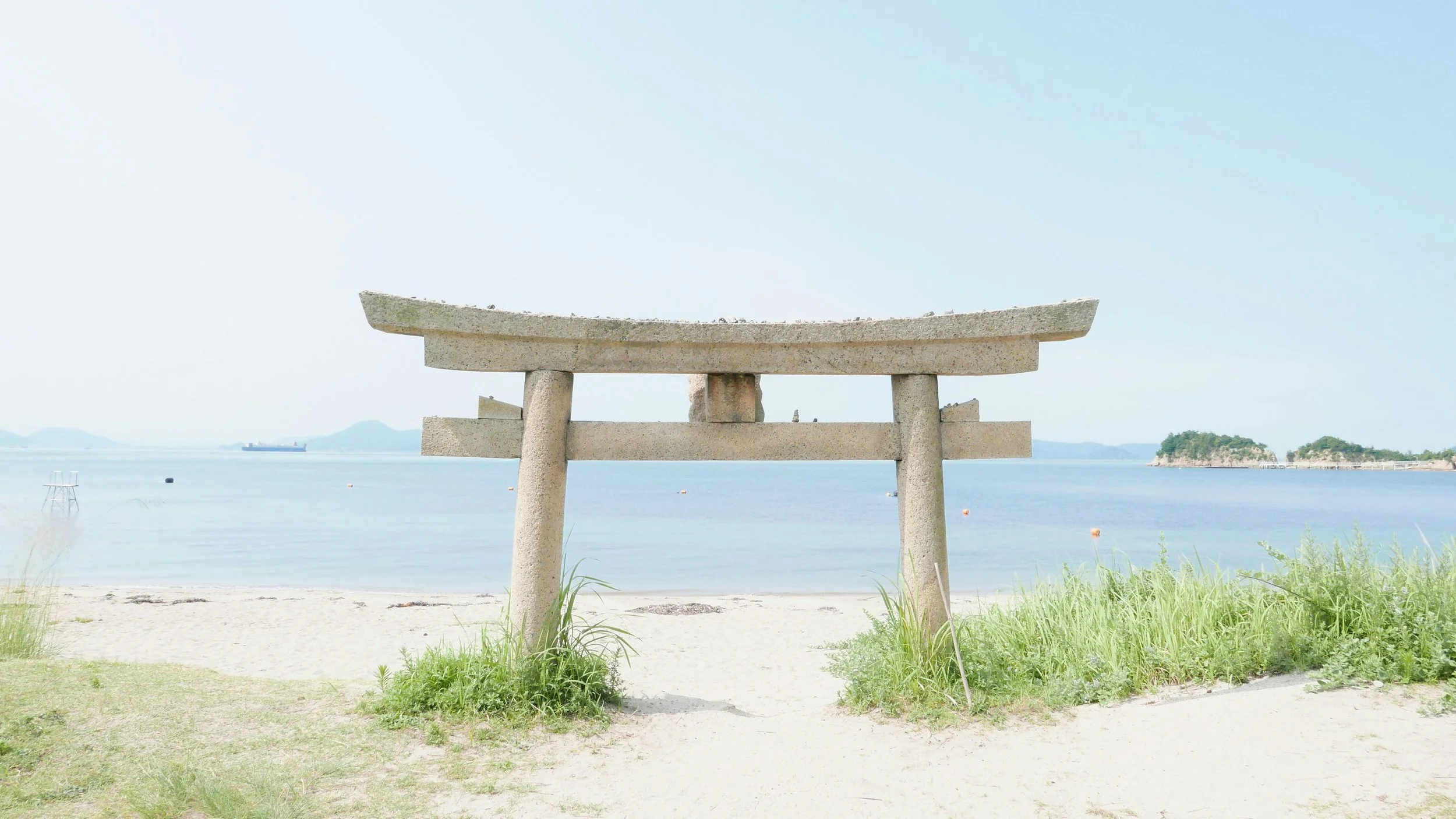
Gotanji Swimming Beach, Naoshima
A Few Facts About Art Islands, Okayama and Kurashiki:
Yayoi Kusama’s art is inspired by hallucinations from a childhood nervous disorder—her art became both her escape and defining theme.
The islands prioritize sustainability, integrating installations into nature, abandoned houses, or historic buildings as part of the Setouchi Triennale.
Okayama is known as the “Land of Sunshine” for its excellent weather.
The Ohara Museum in Kurashiki is Japan’s first private Western art museum, with works by Monet, El Greco, Gauguin, and Renoir.
Kurashiki is the birthplace of Japanese denim and decorative masking tape.
Okayama Castle is one of the few black castles in Japan, as most are painted white. During the Warring States period, darker colors helped hide the castle at night and made it harder to spot its artillery and firearms.